Stockperson Jobs UK: What Employers Need
By Talent Agri ·
Stockperson jobs UK demand practical skill, reliability and fit. Learn what employers need and what candidates should expect from the right role.
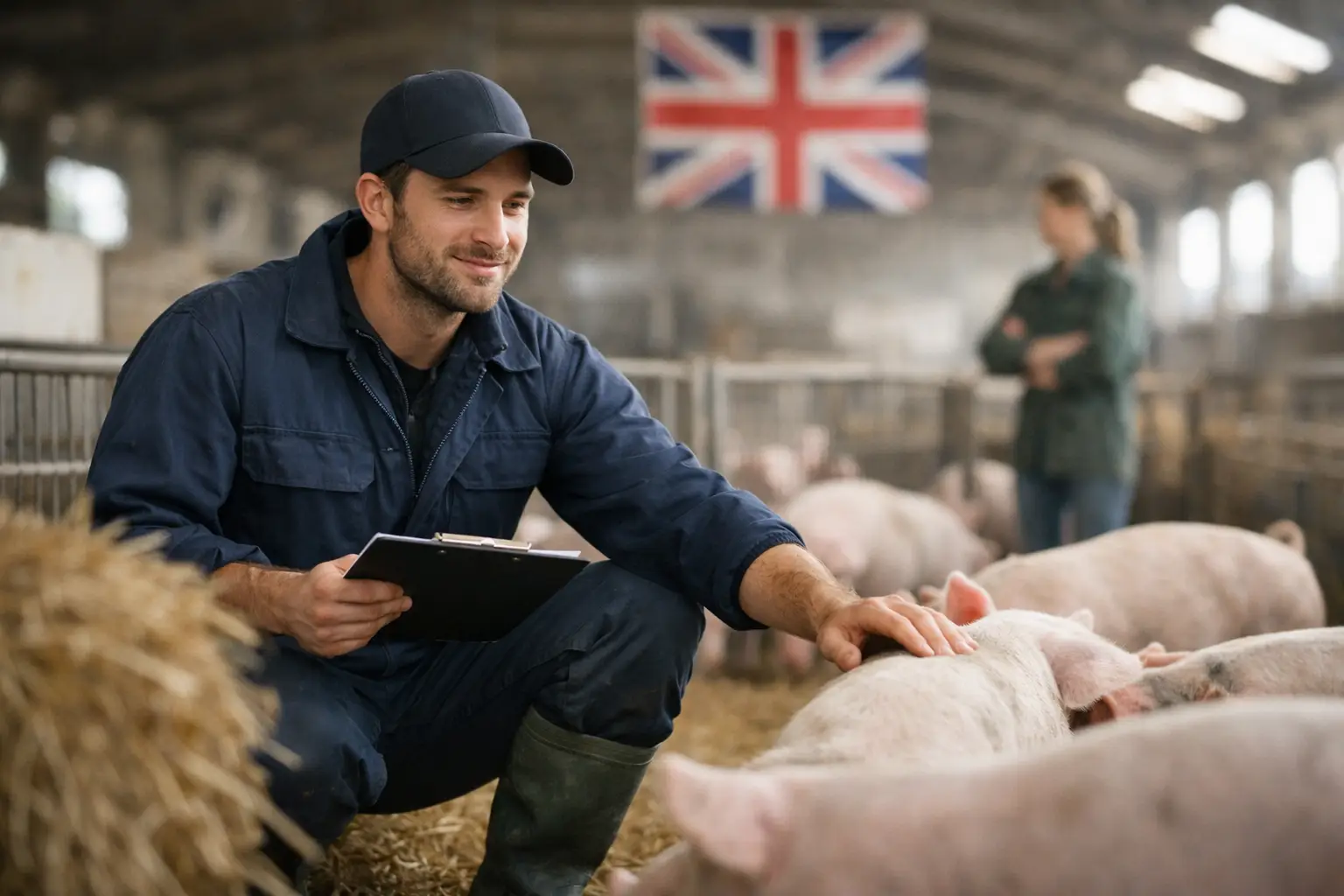
A good stockperson is often the difference between a unit that runs steadily and one that is always reacting. In stockperson jobs UK employers are not simply hiring an extra pair of hands. They are hiring someone who notices health issues early, keeps standards consistent and understands that livestock performance is built on routine, observation and care.
For current opportunities, visit our agricultural vacancy board. If you are recruiting for a dairy unit, explore our dairy staffing service.
That matters whether the business is a dairy unit, beef enterprise, pig operation or mixed farm. The title may sound straightforward, but the reality is more demanding. The best stockpersons combine practical ability with judgement, discipline and a calm approach under pressure.
Why stockperson jobs UK remain hard to fill
There is no shortage of people interested in farming in broad terms. The challenge is finding candidates who can step into a livestock role and add value quickly. Employers need people who are comfortable with early starts, changing conditions and the physical nature of the work. More than that, they need individuals who understand animal behaviour, biosecurity, welfare standards and the importance of accurate daily routines.
This is where recruitment often becomes difficult. A CV may show farm experience, but that does not always mean a candidate has the standard of stockmanship required for a commercial livestock business. Some are strong on general farm duties but less experienced with intensive systems, calving, feeding programmes or health monitoring. Others may have good technical knowledge but are not the right fit for the pace or culture of a particular business.
For employers, that mismatch is expensive. Poor hiring decisions affect productivity, staff morale and animal performance. For candidates, taking the wrong role can limit progression and lead to short stays that do little for a long-term career.
What employers really look for in a stockperson
Experience matters, but employers are usually assessing more than years on paper. In most stockperson jobs UK businesses want someone who can work with consistency and think independently when needed. Livestock enterprises do not stop for weekends, staff shortages or poor weather, so reliability is not a bonus. It is part of the job.
Strong candidates usually bring a combination of practical livestock handling, attention to welfare and an understanding of how their work affects the wider business. That might mean spotting a slight drop in feed intake before it becomes a larger health issue, noticing bedding standards slipping, or keeping records accurately enough to support herd or flock management decisions.
Attitude is often the deciding factor when two candidates have similar backgrounds. Employers tend to value people who are steady, observant and willing to follow systems properly. In a well-run livestock unit, shortcuts rarely save time in the long run.
The skills that make a difference on farm
The exact brief depends on the enterprise, but certain capabilities come up repeatedly. Confident animal handling, a clear understanding of hygiene and biosecurity, machinery awareness and the ability to maintain routines all carry weight. On dairy units, milking discipline, calving support and youngstock care may be central. In beef, feeding, bedding, movement and health checks may sit higher on the list. In pig and poultry businesses, system knowledge and strict compliance can be even more critical.
Communication also matters more than some expect. A stockperson may be reporting to a farm manager, coordinating with other team members or feeding back concerns that need quick action. Clear communication reduces mistakes and supports better day-to-day decisions.
What candidates should expect from stockperson jobs UK
For candidates, the right role should offer more than a wage and accommodation. A good stockperson position gives structure, support and the chance to build genuine sector value. That can include more responsibility over time, training on systems or equipment, and exposure to a business that takes standards seriously.
Not every vacancy offers the same path. Some roles are heavily routine-based and suit someone who enjoys consistency and clear systems. Others are broader, with more autonomy and progression into herd management, supervisory work or specialist livestock responsibilities. Neither is automatically better. It depends on career stage, confidence level and long-term goals.
Candidates should look closely at how the business operates. Is there a clear reporting line? Are expectations realistic for the size of the team? Is accommodation, if offered, suitable and properly explained? Does the role involve regular weekend work on a fair rota? These details shape job satisfaction just as much as salary.
Questions worth asking before accepting a role
A sensible candidate will want clarity on the livestock system, working pattern and level of responsibility from the outset. It is also worth asking how performance is measured and what support is in place during the first few months. A business that can answer these questions clearly is usually better organised and more likely to provide a stable working environment.
Candidates should also be realistic about their own fit. A role on a high-output dairy may not suit someone whose experience is mainly extensive beef systems, unless there is a genuine plan for training. Equally, an experienced stockperson may outgrow a role that offers little responsibility or development.
The role of cultural fit in livestock recruitment
Technical ability gets attention, but cultural fit is often what determines whether a hire lasts. In stockperson jobs UK this is especially important because teams are small, operations are continuous and trust is built through daily consistency.
A candidate may be highly capable and still be wrong for the business if their working style does not match the farm's approach. Some employers run very structured systems with tight routines and close record-keeping. Others need someone more flexible who can turn a hand to a wider mix of duties. Problems tend to arise when this is not discussed properly during recruitment.
This is why precision recruitment matters. It is not just about filling a vacancy quickly. It is about understanding the operation, the standards expected and the personality needed to work well within the team. Talent Agri works in that space because specialist livestock hiring demands more than volume. It needs judgement.
How employers can improve hiring outcomes
The strongest livestock businesses are usually the clearest in the market. They can explain the role properly, set out working hours honestly and describe what success looks like. That attracts better candidates and reduces wasted time on unsuitable applications.
Salary still matters, of course, but it is rarely the only factor. Candidates also look at accommodation, rota patterns, management quality, equipment standards and whether the business feels stable. Employers who ignore these points often struggle to secure strong applicants, even when the role itself is sound.
It also helps to move decisively. Good stockpersons are not usually available for long. A slow process, vague communication or changing expectations can cost employers the right person. In specialist agriculture recruitment, clarity and timing often carry as much weight as the package.
What makes a strong stockperson role stand out
The best vacancies are grounded in realism. They do not oversell the job, but they do present the opportunity clearly. Candidates want to know what livestock they will be working with, how the team is structured and what sort of farm they are joining. Straightforward detail builds trust.
A role stands out when there is evidence of a well-run business behind it. That might mean good facilities, sensible management, proper induction and a clear view on progression. Even experienced stockpersons value support when joining a new unit because every farm has its own systems, standards and expectations.
For candidates who want a long-term move, that professionalism matters. For employers who want retention, it is essential.
A steady market with clear expectations
There will continue to be demand for capable people in stockperson jobs UK because livestock enterprises depend on dependable, skilled individuals who can deliver every day. The market is steady, but expectations are rising. Employers need people who can combine practical stockmanship with discipline and awareness. Candidates need roles that are properly structured, fairly presented and aligned with their experience.
When both sides are clear from the start, recruitment becomes more effective and far more valuable. In livestock, the right hire does not just fill a gap. It strengthens the whole operation.
If you are hiring, be precise about what your business truly needs. If you are considering your next move, look for the role that fits your skills, your standards and the way you want to work.
Talk to Talent Agri
Discuss your hiring needs with our agricultural recruitment team, or explore the current vacancy board if you are looking for your next role.