Agricultural Recruitment Process That Works
By Talent Agri ·
A practical look at the agricultural recruitment process, from brief to placement, helping UK farms and fresh produce firms hire with precision.
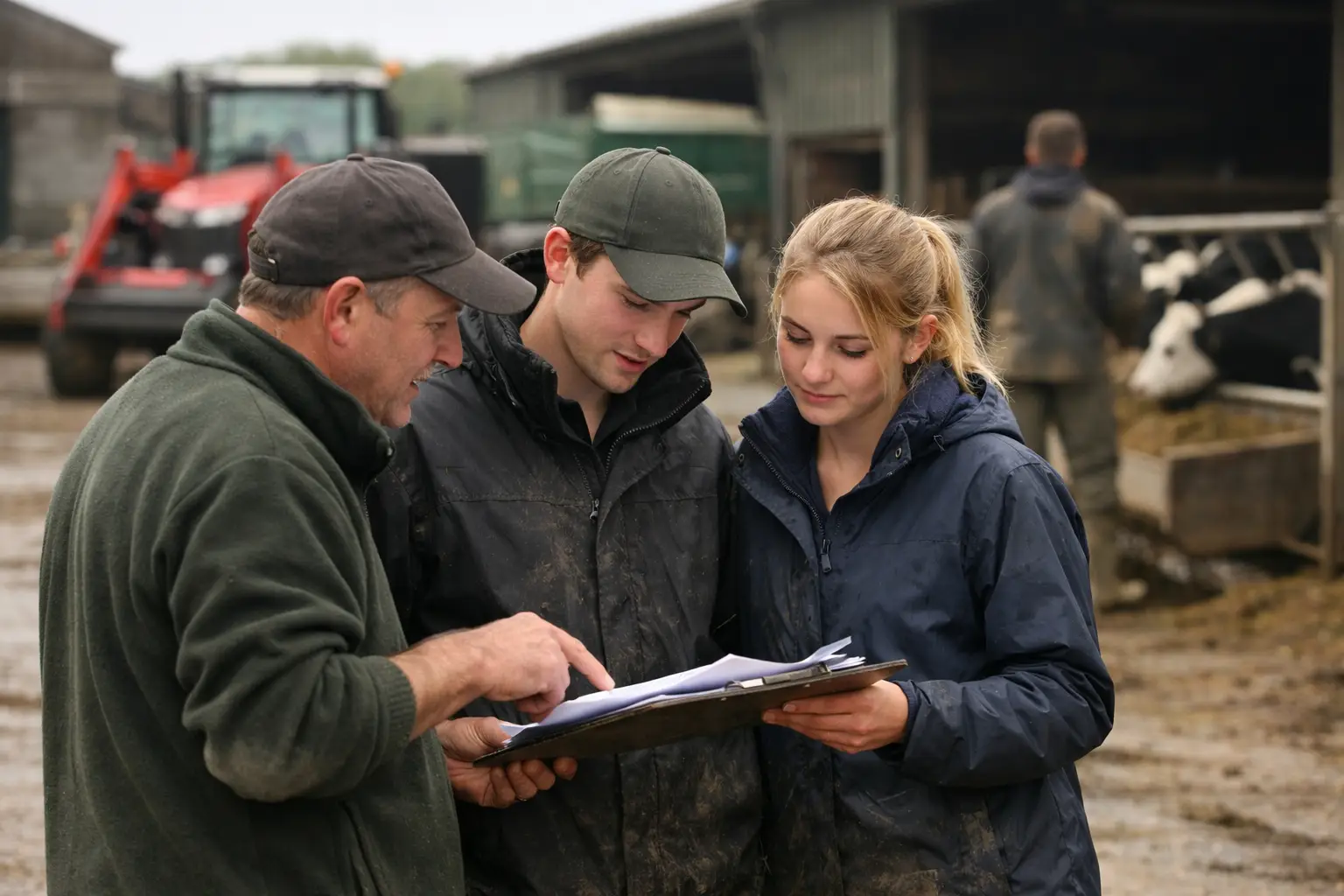
A missed hire in agriculture rarely stays a people problem for long. It becomes a herd performance issue, a harvest timing issue, a workshop backlog, or a packhouse bottleneck. That is why the agricultural recruitment process needs to be treated as an operational decision, not a box-ticking HR task.
Turning a hiring brief into a search? Our permanent recruitment service explains how Talent Agri supports long-term agricultural appointments.
In UK farming and fresh produce, the right hire is not simply someone who can do the job on paper. They need to fit the pace of the business, understand the standards expected, and cope with the practical realities of the role. A dairy herd manager on a well-run unit, a stockperson in a livestock enterprise, or a packhouse supervisor during peak season all need more than a tidy CV. They need the right experience, attitude, and staying power.
What the agricultural recruitment process should actually achieve
A good recruitment process should do three things. It should identify people with the technical ability to perform, it should test whether they are a realistic fit for the business, and it should reduce the risk of a poor appointment.
That sounds straightforward, but agriculture is rarely straightforward. Roles are often based in rural locations, the best candidates are usually already employed, and timing matters. If a business is hiring during calving, harvest, or a busy fruit season, there is limited room for delays or guesswork. The process has to be focused and properly managed.
This is where many employers come unstuck. They start with urgency but not clarity. They know they need someone quickly, yet the brief is vague, the salary is not benchmarked, and nobody has pinned down what good looks like after six months in post. That usually leads to wasted interviews and candidates dropping away.
Start with a proper hiring brief
The agricultural recruitment process starts before a role is advertised or discussed with candidates. It starts with getting clear on the job itself.
That means more than writing a title and a list of duties. A proper brief sets out what the person will actually be accountable for, what systems or livestock experience they need, what level of independence is expected, and who they report to. It should also cover the practical details candidates will ask about early on - working hours, weekend rota, accommodation if relevant, machinery, team structure, progression, and whether the role is hands-on, supervisory, or both.
For fresh produce businesses, this often means being specific about crop type, packhouse standards, retailer exposure, and line management. In livestock, it may mean being honest about herd size, system type, milkings, calving pattern, or whether the role includes youngstock, feeding, or medicine records. The more grounded the brief, the better the match.
There is a trade-off here. Some employers want a broad brief to keep options open. Others get so specific that they rule out strong people who could do the job well. The right balance depends on how specialist the role is and how available that talent is in the market.
Candidate attraction is not the same as candidate quality
Once the brief is right, the next stage is attracting the right people. This is where generic hiring methods often fall short in agriculture.
A role can generate plenty of applications and still fail. High volume is not the same as relevance. If a dairy business receives twenty CVs but only two candidates have managed a herd of similar size and system, the numbers are not much comfort.
That is why targeted attraction matters. The best agricultural recruitment process does not rely on job adverts alone. It combines visible market reach with direct candidate approaches, sector networks, and careful messaging about the opportunity. Passive candidates are often the strongest candidates, particularly for management, technical, and specialist operational posts.
The wording also matters. Farming people tend to spot waffle straight away. If the advert is padded with corporate language and tells them nothing useful about the farm, the business, or the expectations, they move on. Straight talking works better. Be clear about the role, honest about the setting, and realistic about what the job offers.
Screening needs sector knowledge
A CV in agriculture only tells part of the story. Plenty of good people undersell themselves on paper, while others sound stronger than they are. Screening is where experience and sector understanding make a real difference.
A proper screen should test practical capability, not just job titles. If someone says they have managed a dairy unit, what did that actually involve? Were they responsible for fertility, feed planning, staff supervision, and records, or were they mainly carrying out routines set by someone else? If a candidate has packhouse management experience, what sort of throughput, quality standards, and labour planning were they handling?
It is also important to understand why someone is moving. In agriculture, the reason is often more nuanced than salary alone. It might be lack of progression, a change in ownership, poor housing, limited support, or a mismatch in management style. Those details matter because they often tell you whether a role is likely to suit them long term.
At this stage, compliance should not be an afterthought. Right to work, licences where relevant, references, and any role-specific checks need to be part of the process. Good businesses do not leave that until the final hour.
Interviewing in agriculture should be practical and direct
The interview stage works best when it reflects the reality of the role. Formality has its place, but over-engineered interviews rarely help on farm or in fresh produce environments.
Candidates need the chance to understand the business properly, and employers need room to assess how someone thinks and works. That often means combining a straightforward interview with a site walk, team introduction, or practical discussion around systems, stock, crop handling, machinery, or workflow. A herd manager should be able to talk confidently about performance, routines, and decision-making. A packhouse leader should be able to explain planning, pressure points, and people management.
It also helps to be clear on what you are assessing. Technical skill is one part. Reliability, communication, standards, and attitude are just as important. In many agricultural businesses, especially family-run operations, cultural fit can make or break a hire. That does not mean hiring in your own image. It means understanding whether the person will work well in that environment.
Speed matters here. Strong candidates do not sit still for weeks. If interviews drag on, decisions get delayed, and communication is patchy, candidates will take other offers or lose confidence.
Offer, negotiation and keeping momentum
A good candidate can still be lost at offer stage. This is where details need to be right and timing needs to be sharp.
The offer should reflect the market and the reality of the job. If the role involves regular weekends, rural relocation, or a high level of responsibility, the package needs to stack up. That does not always mean paying the highest salary, but it does mean understanding what matters to the candidate. Sometimes accommodation, a clear rota, training, or progression will carry weight. Sometimes salary is the sticking point and there is no way around it.
Communication is just as important as numbers. Once a candidate accepts, there is still a risk period before they start. Counteroffers happen. Doubt creeps in. A well-run process keeps in touch, confirms next steps, and helps both sides stay aligned.
This is one reason many employers use a specialist partner such as Talent Agri. In a tight market, managing the process properly from first conversation to start date often makes the difference between filling the role and starting again.
Why the agricultural recruitment process fails
Most hiring problems come back to a few familiar issues. The brief is too vague, the salary is off market, the decision-makers are not aligned, or the business underestimates how selective good candidates can be.
There is also the question of realism. If an employer wants somebody with years of dairy, livestock, fresh produce, engineering, and people management experience, based in a remote location, with no flexibility on package, the market may simply not support it. That does not mean the hire is impossible. It means the brief or expectations may need adjusting.
Candidates can get this wrong too. Some apply too broadly without understanding the business, while others dismiss strong roles over one detail without looking at the wider fit. The best moves usually happen when both sides are clear-eyed and practical.
A better process usually means a better result
The strongest agricultural recruitment process is not the flashiest one. It is the one that is clear, well-timed, and rooted in the realities of the sector. It respects the fact that farms, estates, packhouses, and rural businesses do not have time for hiring theatre. They need capable people who can add value and stay.
That means taking the brief seriously, targeting the right candidates, screening with sector knowledge, and moving with purpose. It also means accepting that recruitment is rarely one-size-fits-all. A dairy appointment in Cumbria, a beef role in the Midlands, and a fresh produce hire in Kent will each bring different pressures, candidate pools, and negotiation points.
If the process is treated with that level of care, hiring becomes less about plugging a gap and more about strengthening the business. In agriculture, that is usually where the best long-term results start.
Talk to Talent Agri
Discuss your hiring needs with our agricultural recruitment team, or explore the current vacancy board if you are looking for your next role.